How to Swap Crypto
A crypto swap is a direct way to convert one digital asset into another without using an order book or placing manual trades. The user selects the asset to send, chooses the asset to receive, enters the amount, adds a receiving wallet address and follows the exchange instructions.
This guide explains how to swap crypto step by step, what happens after the deposit is sent, how crypto swap differs from exchange or trading, and which details users should check before sending funds.
What Is a Crypto Swap?
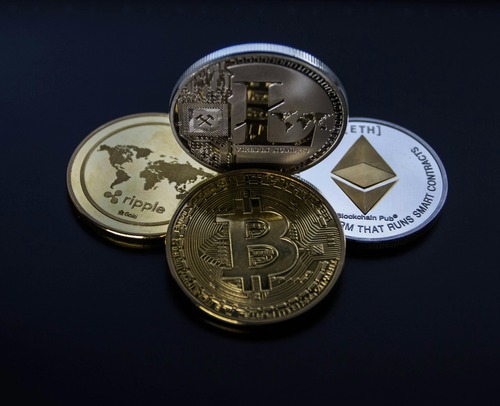
A crypto swap is the conversion of one cryptocurrency into another. For example, a user can swap BTC to ETH, ETH to USDT, USDT to TRX or BTC to XMR without first converting the asset into fiat money.
In a typical swap flow, the user sends one crypto asset from a wallet and receives another crypto asset to a wallet address. The service calculates the route, shows the estimated payout and processes the exchange after the deposit is detected on the selected blockchain.
Simple Example
| User Sends | User Receives | What Happens |
|---|---|---|
| BTC | ETH | Bitcoin is converted into Ethereum |
| ETH | USDT | Ethereum is converted into a stablecoin |
| USDT | TRX | Tether is converted into TRON |
| BTC | XMR | Bitcoin is converted into Monero |
A crypto swap is usually useful when the user wants a simpler conversion flow than a trading terminal. The key details to check are the selected pair, network, rate type, estimated payout and receiving wallet address.
Why People Swap Crypto
People swap crypto when they want to move from one digital asset to another without using fiat money or a full trading interface. A swap can help users rebalance a wallet, move into a stablecoin, enter another blockchain ecosystem, prepare coins for network fees or convert assets directly between wallets.
The reason for the swap affects what the user should check. A stablecoin route depends heavily on network choice. A BTC to ETH route may depend on confirmation time and rate type. A small swap can be affected more by network fees than by the visible exchange rate.
| Use Case | Example | What to Check |
|---|---|---|
| Move between assets | BTC to ETH | Rate type and final payout |
| Use a stablecoin | ETH to USDT | Stablecoin network and wallet support |
| Enter another ecosystem | USDT to TRX | Receiving address and network |
| Reduce market exposure | BTC to USDT | Quote window and payout amount |
| Prepare network balance | Swap into TRX, ETH or BNB | Asset needed for future network fees |
| Avoid trading terminal | Direct coin-to-coin conversion | Pair, amount, address and route rules |
A swap is not the best option for every goal. If the user needs fiat payout, selling crypto may be more suitable. If the user wants order book control, trading may be more suitable. For direct coin-to-coin conversion, a swap is usually the simpler route.

What You Need Before Swapping Crypto
Before starting a crypto swap, the user should prepare the sending asset, receiving wallet and correct blockchain network. Most swap problems happen because the user sends funds through the wrong network, enters an unsupported address, sends less than the minimum amount or closes the tracking page too early.
| Needed Item | Why It Matters |
|---|---|
| Sending wallet | Holds the asset the user wants to swap |
| Receiving wallet | Must support the asset and network selected for payout |
| Correct network | Prevents wrong-chain deposits and payout issues |
| Enough balance | Covers the swap amount and any network fee |
| Minimum amount | Prevents underpaid swaps that may not process automatically |
| Rate type | Shows whether the payout is fixed or market-based |
| Transaction hash | Helps track the deposit after it is sent |
| Exchange ID | Helps support locate the order if manual help is needed |
The most important checks before sending funds are the receiving wallet address, selected network, minimum amount and estimated payout. These details should be verified before the deposit is broadcast.
How to Swap Crypto Step by Step
The swap process is simple, but each step affects the final result. The user should check the pair, network, amount, rate type and receiving address before sending funds.
| Step | Action | What to Check |
|---|---|---|
| 1 | Choose the asset to send | Coin ticker and deposit network |
| 2 | Choose the asset to receive | Wallet support for the payout asset |
| 3 | Enter the amount | Minimum amount and estimated payout |
| 4 | Select rate type | Fixed or floating rate if both are available |
| 5 | Add receiving wallet address | Correct address format and network |
| 6 | Review the quote | Final payout, fee model and quote window |
| 7 | Send the deposit | Exact amount and correct blockchain network |
| 8 | Track the exchange | Exchange ID and blockchain transaction hash |
Create the swap only when ready to send funds. After the deposit is sent, keep the transaction hash and exchange ID until the received crypto arrives.
Crypto Swap Example
This example shows a common swap route: USDT to TRX. The same logic applies to other crypto-to-crypto swaps, but the network and wallet format can change by asset.

| Step | Example |
|---|---|
| Send asset | USDT |
| Receive asset | TRX |
| Amount | User enters the amount of USDT to exchange |
| Network check | User confirms which USDT network is selected, such as TRC20, ERC20 or another supported network |
| Receiving address | User enters a TRX wallet address |
| Quote review | User checks estimated TRX payout, rate type and minimum amount |
| Deposit | User sends USDT to the deposit address shown by the service |
| Payout | Service sends TRX to the receiving wallet after deposit confirmation |
Network compatibility is the key check. USDT can exist on several blockchains, and a wallet that supports one network may not support another. The user should confirm the exact network before sending funds.
What Happens During a Crypto Swap
After the user creates a swap, the provider generates a deposit address and exchange conditions for the selected route. The provider then waits for the deposit, confirms it on-chain, executes the exchange and sends the received asset to the wallet address entered by the user.
| Stage | What Happens | User Action |
|---|---|---|
| Quote created | Estimated payout is calculated | Check pair, network, amount and rate type |
| Deposit address shown | Address is generated for the sent asset | Send only through the selected network |
| Deposit detected | Transaction appears on-chain | Keep the transaction hash |
| Confirmation stage | Blockchain confirms the deposit | Wait for required confirmations |
| Exchange execution | Route is processed | Track exchange status |
| Payout sent | Received asset is sent to the user wallet | Check wallet balance and transaction ID |
A swap can take longer when the blockchain is congested, the deposit amount does not match the quote, the fixed-rate window expires or the provider requires additional review.
Crypto Swap vs Exchange
Crypto swap and crypto exchange are related terms, but they do not always describe the same user flow. A swap usually means direct conversion from one cryptocurrency into another. An exchange can include swaps, buy routes, sell routes, fiat payments, account balances, trading terminals and order books.
The difference matters because the user's goal determines the right route. A user who wants USDT to TRX may need a swap. A user who wants BTC to EUR may need a sell route. A user who wants to place limit orders may need a trading platform.
| Term | Meaning | Example | Best For |
|---|---|---|---|
| Crypto swap | Convert one crypto asset into another | BTC to ETH, USDT to TRX | Direct coin-to-coin conversion |
| Crypto exchange | Broad term for crypto conversion services | Buy, sell, swap or trade | General asset exchange |
| Crypto trading | Buy or sell through an order book | BTC/USDT market or limit order | Active trading and price control |
| Buy crypto | Convert fiat into crypto | USD to BTC, EUR to USDT | Entering the crypto market |
| Sell crypto | Convert crypto into fiat | BTC to EUR, USDT to USD | Cash-out and fiat payout |
For most users, a swap is simpler when the goal is to move from one digital asset to another. Trading is more suitable when the user wants order book control, while selling is more suitable when the final target is fiat money.
Fixed Rate vs Floating Rate
Many swap services offer fixed and floating rate options. A fixed rate locks the quoted amount for a limited time. A floating rate calculates the final payout closer to the moment when the exchange is executed.
Neither option is always better. The right choice depends on market movement, confirmation speed and whether the user values payout certainty or accepts possible market-based changes.
| Rate Type | What to Check |
|---|---|
| Fixed rate | Deposit deadline, minimum amount and refund rule |
| Floating rate | Estimated payout, network speed and price movement |
| Expired fixed quote | Original rate may no longer apply |
| Delayed floating swap | Final payout can change before completion |
Common Crypto Swap Mistakes and Delays
Most crypto swap problems happen before or during deposit confirmation. The user may choose the wrong network, enter an unsupported address, send less than the minimum amount, miss the fixed-rate window or receive less than expected because of rate movement, network fees or spread.
A delayed swap does not always mean the funds are lost. In many cases, the provider may complete the exchange later, recalculate the payout, request support contact or start a refund process.
| Issue | What Can Happen | How to Avoid It |
|---|---|---|
| Wrong network | Deposit or payout may not be detected correctly | Match the selected network with the wallet and provider instructions |
| Wrong wallet address | Funds can be sent to an address that cannot receive the asset | Copy the address carefully and confirm the asset type |
| Deposit below minimum | Swap may not process automatically | Check the minimum amount before creating the swap |
| Expired fixed quote | Original fixed rate may no longer apply | Send funds within the deposit window |
| Floating rate movement | Final payout may change before execution | Use fixed rate if payout certainty matters |
| Network congestion | Deposit confirmation may take longer | Track the blockchain transaction |
| Missing memo or tag | Assets like XRP or XLM may not arrive correctly | Add memo, tag or destination ID when required |
| Liquidity issue | Route may be delayed or recalculated | Check route conditions before deposit |
| Closing tracking page too early | Harder to follow exchange status | Save the exchange ID and transaction hash |
The most important details to keep are the exchange ID and blockchain transaction hash. These help track the swap and make support requests easier if the transaction is delayed.
How to Choose a Safe Swap Service
The best place to swap crypto depends on the selected route, network, amount and exchange conditions. A service may be better for no-registration swaps, another may be better for lower fees, and another may support a wider list of coins.
Users should choose a swap service by checking the route details before sending funds, not by brand name alone.
| What to Check | Why It Matters |
|---|---|
| Supported pair | Confirms that the service supports the asset route |
| Network support | Prevents wrong-chain deposits and payout issues |
| Final payout | Shows the expected received amount |
| Rate type | Fixed and floating rates calculate the result differently |
| KYC rules | Some routes may require verification |
| Fees and spread | Affects the final result |
| Tracking page | Helps follow the exchange after deposit |
| Refund rules | Important if the swap expires, fails or is underpaid |
| Support access | Useful if manual help is needed |
How to Swap Crypto FAQ
How do I swap my crypto?
What is a crypto swap?
How do swaps work in crypto?
Is crypto swap the same as crypto exchange?
Is it better to sell or swap crypto?
Why do I receive less than expected when swapping crypto?
Why do crypto swaps fail?
Is swapping crypto safe?
Swap Crypto Online
Use SwapsList.io to compare swap routes, understand how crypto swaps work and check key details before sending funds. Before starting an exchange, confirm the selected pair, blockchain network, rate type, wallet address, minimum amount and estimated payout.